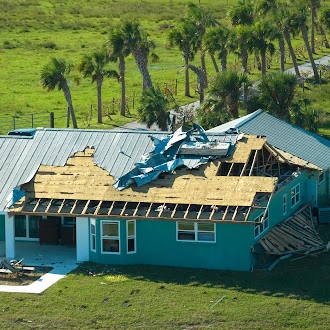
Your roof is your shelter; it safeguards you against high-speed winds and shields you from violent storms. But it isn’t completely immune to the force of Mother Nature. From cracked tiles to missing shingles, storms can seriously damage your roof, and it’s always a good idea to be prepared for roofing emergencies. If you’re a concerned homeowner wondering how to handle an emergency roof repair situation, this blog by Byler’s Roofing LLC covers everything from safety gear and documentation to temporary repairs you can make until help arrives.
Handling a Storm-Damaged Roof: Expert Advice & Useful Tips for Roof Repair
Waking up in the middle of the night to a dripping ceiling or finding a puddle in the attic are both clear signs that the storm has affected your roof. Sounds terrible, right? While your first instinct might be to panic, we’re here to tell you to stay calm.
Here’s what you should do if your roof gets damaged during a storm:
Step 1: Get to Safety
The first thing you should do is ensure that you and your family are safe. If possible, move to another part of the home with a more secure section of the roof overhead.
Step 2: Put On Safety Gear
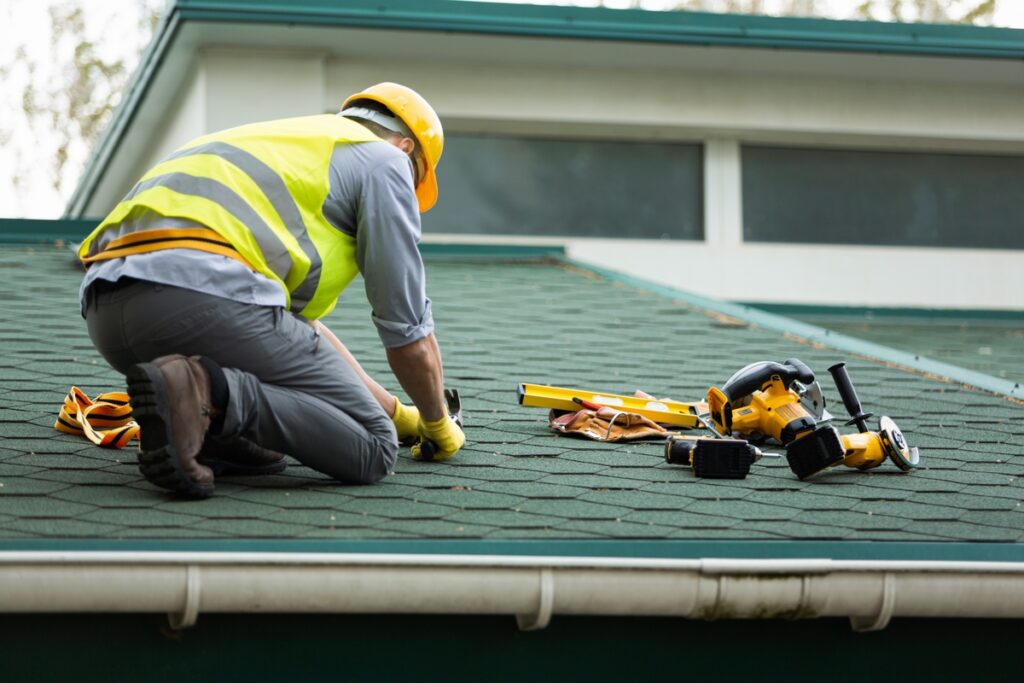
Before inspecting the damage from the ground, wear gloves, a hard hat, goggles, and non-slip boots. Do NOT climb onto the roof; storm-damaged roofs are unstable and extremely dangerous. A visual ground-level inspection is enough.
Step 3: Document the Damage
From the ground or from a safe window, take detailed pictures and videos of the damage. This documentation will be very helpful later for insurance and roofing contractors.
Step 4: Contact Your Insurance Provider
Call your insurance provider as soon as possible to start the claims process. Share the pictures and videos you captured. Also, provide any maintenance receipts you have to support your claim.
Step 5: Reach Out to a Roofer
Next, contact a reliable 24/7 roofing contractor. The visuals you collected will help them understand the situation and offer immediate guidance until they arrive.
Step 6: Remove Debris (Only If Safe)
If your roofer confirms it’s safe and the debris is reachable from the ground, carefully remove branches or objects that could worsen the damage. Do not climb onto the roof.
Step 7: Cover the Openings
If it’s safe and accessible from inside the home or from a ladder placed securely by professionals, cover openings using a tarp to prevent more water from entering your home. Keep yourself and your family safe, and do not take unnecessary risks.
Step 8: Try Temporary Patch-Ups
For minor interior leaks, use roofing tape or sealant on the inside to slow down water entry. This is only a temporary measure until expert roof repair services take over.
Step 9: Move Your Possessions
Protect your valuables by moving furniture, electronics, and carpets away from the leaking area. If you can’t move certain items, cover them with plastic sheets or tarps.
Step 10: Contain the Damage
Place pails and buckets under leaks to catch dripping water. For shallow puddles, use towels to soak up moisture and prevent further damage.
Conclusion
Experiencing roof leaks after a storm isn’t uncommon, but knowing how to respond makes all the difference. Prioritize safety, take clear photos, contact your insurance provider and roofing professionals, and make temporary interior patch-ups if needed. And remember, only trained roofers should perform repairs on a storm-damaged roof. Reliable contractors will restore the strength and integrity of your roof with durable roof repair services.
FAQs
How long do roofers take to arrive in an emergency?
Most emergency roofers try to reach your location within 24 hours of your call.
What is the most durable roofing material against wind damage?
Metal roofing is considered one of the most resilient materials during windstorms.
How long does it take to repair a storm-damaged roof?
Depending on the extent of the damage, repairs can take anywhere from a few hours to several weeks.
Can I stay in my home during emergency roof repairs?
Yes, if the damage is minimal. However, if there is structural risk or major leaks, roofers may advise temporarily relocating for safety.
Will insurance cover my emergency roof repair?
Most homeowners’ insurance policies cover storm-related roof damage, but the extent of coverage depends on your policy and maintenance history.