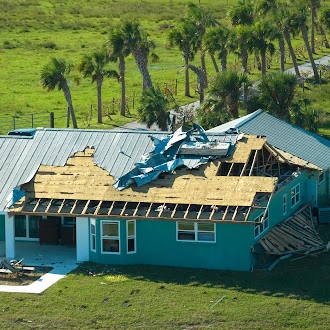
Your roof is one of the most important parts of your home because it protects the people, belongings, and structure inside from changing weather conditions. Strong winds, heavy rain, hail, and prolonged exposure to the elements can gradually affect roofing materials and create opportunities for moisture to enter the home. Choosing the right Roofing Solutions can help homeowners improve protection while maintaining the appearance and performance of the property. At Byler’s Roofing LLC, we help homeowners select and maintain roofing options designed around their property’s needs and local weather conditions.
Shingles are designed to shed water and form a protective layer across the roof. When properly selected and installed, they can help defend the roof deck against rain and reduce the risk of damage caused by wind and other weather conditions. However, the overall performance of a roof also depends on proper installation, suitable underlayment, ventilation, flashing, and regular inspection.
Why Is Shingle Roofing a Dependable Choice for Home Protection?
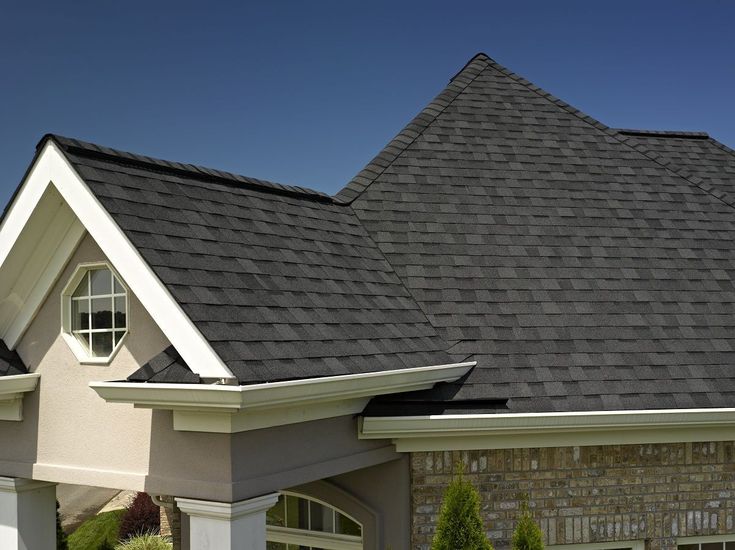
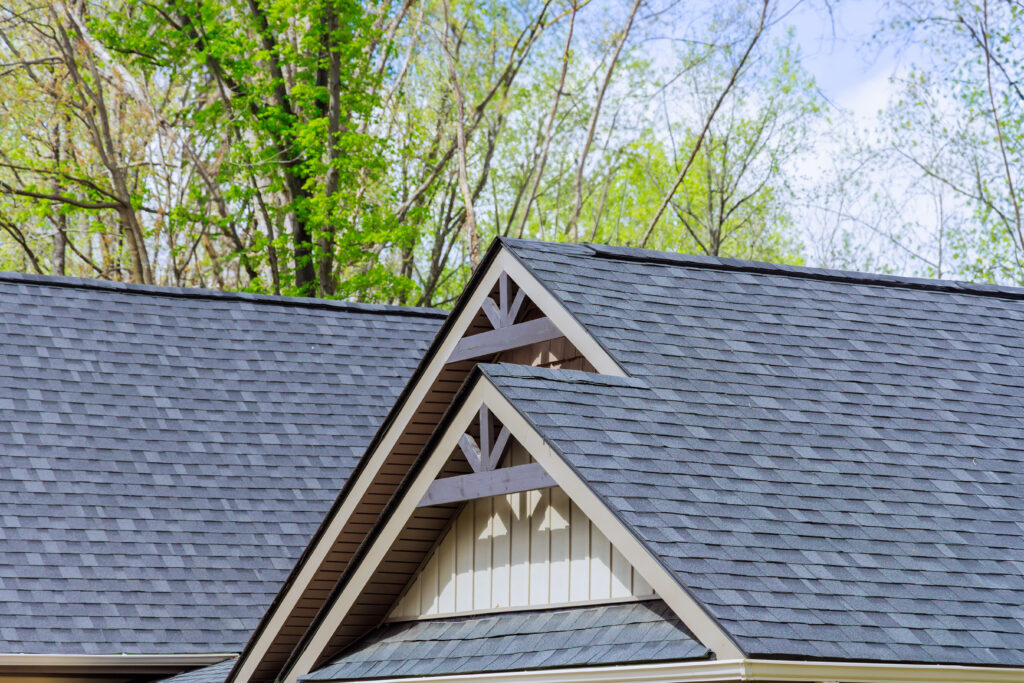
Shingle roofing is a popular choice for homeowners because it provides a practical combination of weather protection, durability, appearance, and manageable maintenance. Properly installed shingles create a protective layer that helps shield the roof structure from rain, wind, and other outdoor conditions. Their versatility and range of available styles also make them suitable for many different home designs.
Several factors contribute to their dependability.
These include:
- Reliable protection from rain and wind
- Durable roofing materials
- Professional installation
- Regular maintenance requirements
- Cost-effective roofing option
- Straightforward repair solutions
- Attractive exterior appearance
Understanding these benefits can help homeowners determine whether shingle roofing is the right option for protecting their home and maintaining long-term roof performance.
Why Is Weather Protection Important For Your Roof?
Weather exposure can affect a roof in several ways. Strong winds can lift or loosen shingles, while wind-driven rain can reach vulnerable areas when seals or roofing components are damaged. Hail can also loosen protective granules or create impact damage that may become more serious over time.
A properly maintained roof helps reduce these risks by providing a durable exterior barrier over the home. For homeowners, choosing suitable materials and addressing minor problems early can help prevent small roofing issues from developing into more expensive repairs.
How Can Shingle Roofing Protect Your Home?
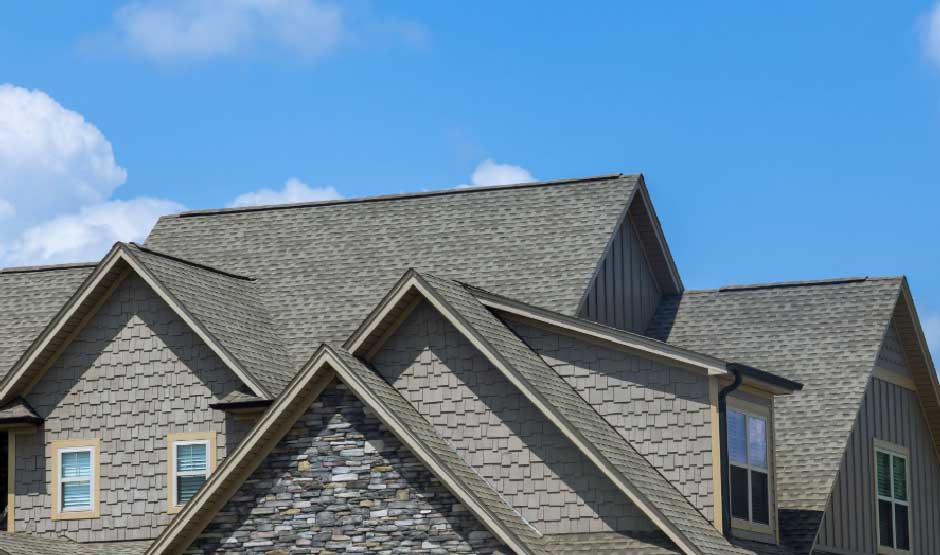
Shingle Roofing provides several layers of protection that help the roof handle everyday weather exposure. The shingles shed rainwater away from the roof surface, while properly installed underlayment and flashing provide additional protection in vulnerable areas.
Key protective benefits include:
- Helps shed rainwater from the roof
- Provides resistance against wind uplift
- Helps protect the roof deck from moisture
- Adds protection against everyday weather exposure
- Supports the overall durability of the roofing system
- Improves the exterior appearance of the home
The effectiveness of these protections depends on the quality of the roofing system and proper installation.
What Weather Conditions Can Affect A Shingle Roof?
Different weather conditions can create different types of roofing problems. Understanding these risks can help homeowners recognize why proper roofing materials and maintenance are important.
Strong Winds
High winds can create uplift pressure along roof edges and corners. Damaged, aging, poorly sealed, or improperly installed shingles can be more vulnerable to lifting or becoming detached during severe weather.
Heavy Rain
Heavy rainfall can test the roof’s ability to shed water. Damaged shingles, deteriorated flashing, or problems around roof penetrations can create paths for moisture to enter the roofing system.
Hail
Hail can strike shingles with significant force and may loosen protective granules or create visible impact damage. Severe hail damage can reduce the protective performance of the roofing material.
Temperature Changes
Repeated changes in temperature can affect roofing materials over time. In colder conditions, some asphalt shingles can become less flexible, making material selection and proper installation especially important in areas exposed to severe weather.
Key Factors That Improve Shingle Roof Protection
The performance of a roofing system depends on more than the shingles themselves. Several components and installation practices work together to create better weather protection.
Quality Shingle Selection
Choosing shingles designed for the property’s climate and expected weather conditions can improve long-term performance. Homeowners in areas exposed to severe winds or hail may consider products with appropriate wind or impact-resistance ratings.
Proper Installation
Correct fastening, alignment, sealing, and installation of roofing components can affect how well shingles withstand wind and rain. Installation problems can make a roof more vulnerable even when quality materials are used.
Roof Deck Protection
Underlayment provides an additional water-shedding layer beneath the shingles. Ice and water barriers can provide additional protection in vulnerable areas such as valleys, eaves, chimneys, and skylights.
Proper Ventilation
Balanced attic ventilation helps manage heat and moisture within the roofing system. Proper airflow can contribute to the overall performance and durability of the roof assembly.
Why Is Shingle Roof Maintenance Important?
Regular shingle roof maintenance allows homeowners to identify damaged, missing, curled, or deteriorating shingles before problems become more serious. After severe weather, it is particularly important to check for visible damage, loose materials, granule loss, or signs of water intrusion.
Addressing problems early can help protect the roof from additional weather exposure and reduce the likelihood of more extensive damage.
Shingle Roof Repair vs. Replacement: Which Is Right for Your Home?
| Option | When It May Be Appropriate | Main Advantage |
| Shingle Roof Repair | Small, localized damage or a limited number of damaged shingles | Addresses specific problems without replacing the entire roof |
| Shingle Roof Replacement | Widespread damage, significant deterioration, or an aging roof | Provides a comprehensive solution with new roofing materials |
Note: A professional inspection is the best way to determine whether repair or replacement is appropriate. Small, isolated damage can often be repaired, while widespread damage or significant deterioration may justify replacement.
When Should You Consider A New Shingle Roof?
An aging roof may become increasingly vulnerable to weather damage as shingles lose their protective qualities. Cracking, curling, missing shingles, extensive granule loss, recurring leaks, and widespread deterioration can all indicate that replacement should be considered.
A New Shingle Roof can provide an opportunity to replace aging materials, improve the overall roofing system, and select products better suited to the property’s current needs.
How Much Does A Shingle Roof Cost?
The Shingle Roof cost can vary depending on roof size, shingle material, labor, roof pitch, removal of existing roofing, accessibility, and the condition of the roof deck. In 2026, homeowners can expect a typical shingle roof installation to cost around $7,500 to $24,000, with an average project costing approximately $10,000.
Projects involving premium materials, extensive roof repairs, complex designs, or difficult installation conditions may cost more. A professional inspection and detailed estimate can provide a more accurate price for each property.
What Are The Signs Of Weather-Related Roof Damage?
Homeowners should pay attention to changes that may indicate weather damage, including:
- Missing or lifted shingles
- Curling or cracked shingles
- Loose flashing
- Granule accumulation around gutters
- Water stains on ceilings or walls
- Damaged roof edges
- Visible hail impacts
- Recurring roof leaks
Strong storms can cause both obvious and less visible damage, so professional inspection may be useful when problems are suspected.
Can Roof Repairs Prevent Further Weather Damage?
In some situations, timely Shingle Roof Repair can address localized problems before they expose other parts of the roofing system to rain and wind. Repair may be appropriate when damage is limited and the remaining roof is still in suitable condition.
However, widespread deterioration or extensive storm damage may require replacement instead of isolated repairs.
How Can Professional Installation Make A Difference?
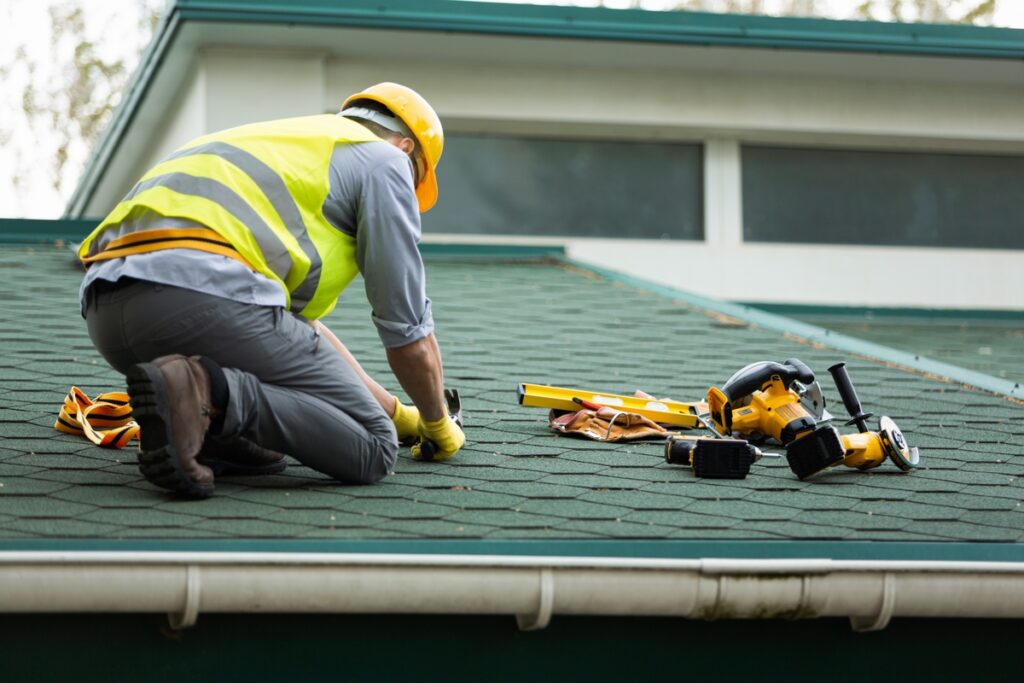
Professional installation is important because roofing performance depends on correct measurements, fastening, flashing, ventilation, sealing, and material placement. Poor installation can leave shingles more vulnerable to wind uplift and water intrusion.
Choosing the best shingle roofing contractor in Beaver, PA can help homeowners receive appropriate material recommendations, careful installation, and professional guidance based on the condition of their roof.
Benefits Of Protecting Your Shingle Roof
A properly selected and maintained roofing system can provide several long-term advantages:
- Better protection from rain and wind
- Reduced risk of moisture intrusion
- Improved roof durability
- Better exterior appearance
- Earlier identification of storm damage
- Greater peace of mind for homeowners
Regular attention to the roof can help maintain its protective function and reduce avoidable problems over time.
Conclusion
Shingle roofing can provide an effective protective layer against common weather conditions when the materials are properly selected, installed, and maintained. Strong winds, heavy rain, hail, and changing temperatures can all affect a roof, making quality materials and professional workmanship important parts of long-term roof protection.
At Byler’s Roofing LLC, we help homeowners make informed roofing decisions based on their property’s needs, existing roof condition, and desired level of protection. From installation and maintenance to repairs and replacement, our goal is to provide dependable roofing solutions designed for lasting performance.
FAQs
1. How does shingle roofing protect a home from weather damage?
Shingles create a protective layer that helps shield the roof from rain, wind, hail, and other outdoor conditions.
2. How much does shingle roofing cost?
A typical project can cost around $7,500 to $24,000, depending on roof size, materials, labor, and installation requirements.
3. How long does a shingle roofing project take?
Most standard projects can take one to several days, depending on roof size, weather, material removal, and installation requirements.
4. When should shingles be repaired or replaced?
Repair may be suitable for localized damage, while widespread deterioration, recurring leaks, or an aging roof may require replacement.
5. How can homeowners maintain a shingle roof?
Regular inspections, prompt repairs, clean gutters, proper attic ventilation, and professional maintenance can help extend roof performance.