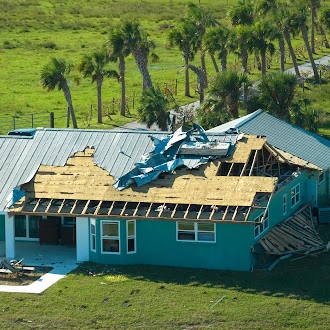
Your roof is your home’s first line of defense against storms, heat, humidity, and debris. Over time, even the most durable roofing systems begin to show signs of wear and damage.
If ignored, small issues can quickly turn into costly repairs or even full structural damage.
The most common signs you need roof repair or replacement include water stains, missing shingles, sagging rooflines, and rising energy bills. Recognizing these early warning signs can save you thousands of dollars and protect your home.
In this guide, we’ll break down the top roof damage signs, when to choose roof repair vs replace, and when to call a professional.
How to Know If Your Roof Needs Repair or Replacement
Whether you have an asphalt shingle, metal, tile, or flat roof, damage can occur due to weather, aging, or poor maintenance.
Here are the most important warning signs to watch for:
1. Water Stains on Ceilings or Walls
Water stains are among the earliest and most obvious warning signs of a roof leak.
- Yellow or brown stains on ceilings
- Damp walls or peeling paint
- Mold or mildew growth indoors
Even small stains indicate moisture intrusion and should be inspected immediately.
2. Missing, Cracked, or Curling Shingles
Shingles are your roof’s protective layer. If they’re damaged, your roof becomes vulnerable.
Look for:
- Missing shingles after storms
- Curling or buckling edges
- Cracked or brittle surfaces
This is a clear sign you need professional roof repair services before leaks develop.
3. Granules in Gutters
If you notice sand-like particles in your gutters, your shingles are deteriorating.
Why it matters:
- Granules protect shingles from UV rays
- Their loss accelerates roof aging
This is one of the strongest roof replacement warning signs, especially for older roofs.
4. Sagging Roofline or Drooping Areas
A sagging roof is a serious structural issue.
Possible causes:
- Water damage
- Rotting decking
- Weak support structure
This often requires immediate roof replacement, not just repairs.
5. Active Roof Leaks
If you notice dripping water, puddles, or moisture during rain, your roof has already failed in certain areas.
Common signs:
- Dripping sounds
- Wet insulation in the attic
- Visible water entry points
Call for emergency roof repair immediately to prevent further damage.
6. Unexplained Increase in Energy Bills
A damaged roof can impact insulation and ventilation, leading to higher energy costs.
You may notice:
- Higher cooling costs in summer
- Heat loss during winter
Poor roof performance is often an overlooked reason behind rising utility bills.
7. Moss, Algae, or Mold Growth
Biological growth traps moisture and accelerates roof deterioration.
Common growths:
- Moss
- Algae streaks
- Mold patches
These are clear signs you need roof maintenance or repair.
8. Roof Age (End of Lifespan)
Every roofing material has a lifespan:
| Roofing Material | Average Lifespan |
|---|---|
| Asphalt Shingles | 15–30 years |
| Metal Roof | 40–70 years |
| Tile/Slate | 50–100+ years |
If your roof is nearing its lifespan, replacement is often more cost-effective than repeated repairs.
9. Damaged or Rusted Flashing
Flashing seals critical areas like chimneys, skylights, and vents.
Watch for:
- Rust or corrosion
- Cracks or gaps
- Loose flashing
Damaged flashing can quickly lead to leaks and interior damage.
10. Frequent Repairs After Storms
If you’re constantly fixing your roof, it may be time for a full replacement.
Multiple repairs over time often cost more than installing a new roof.
11. Damaged Gutters, Downspouts, or Roof Vents
Storm damage often affects more than just shingles.
Check for:
- Dented vents
- Cracked gutters
- Loose or misaligned downspouts
These are often storm-damaged roof signs that shouldn’t be ignored.
Roof Repair vs Roof Replacement: Which Do You Need?
Choose Roof Repair If:
- Damage is minor and localized
- The roof is relatively new
- No structural issues
Choose Roof Replacement If:
- The roof is over 20 years old
- Damage is widespread
- Structural sagging is present
- Repairs are frequent
When Should You Call a Professional Roofer?
You should schedule an inspection:
- Twice a year
- After major storms
- At the first sign of damage
Early inspections can prevent expensive repairs and extend your roof’s lifespan.
Why Timely Roof Repairs Matter
Ignoring roof damage can lead to:
- Structural damage
- Mold growth
- Higher repair costs
- Reduced property value
Acting early saves money and protects your home.
Why Choose Byler’s Roofing LLC?
At Byler’s Roofing LLC, we specialize in professional roof inspections, repairs, and full replacements.
Our experienced team helps homeowners:
- Identify hidden roof damage
- Choose cost-effective solutions
- Ensure long-lasting protection
Conclusion
Your roof is built to last, but it won’t last forever.
Recognizing the signs you need roof repair or replacement, such as leaks, sagging, damaged shingles, and rising energy bills, can help you take action before small issues turn into major problems.
Regular inspections and timely repairs are the key to protecting your home and avoiding costly damage.
FAQs
- How long does a roof replacement take?
Most roof replacements take 3–6 days, depending on size and material. - How often should I inspect my roof?
Twice a year, and after major storms. - What is the most common roof repair?
Shingle damage and roof leaks are the most common issues. - Can I repair my roof myself?
Minor fixes are possible, but professional repairs ensure safety and long-term durability. - How do I know if my roof is beyond repair?
If your roof has widespread damage, sagging, or is near the end of its lifespan, replacement is usually the better option.